Soft landscaping in Ealing
Creating an attractive outdoor space is not only about hard surfaces, paving, or fences. The planting, turf, borders, soil preparation, and finishing touches are often what turn a garden or commercial frontage into a place that feels alive, welcoming, and usable. Soft landscaping in Ealing is ideal for homeowners, landlords, businesses, schools, and managing agents who want outdoor areas that look good, work well, and are easier to maintain over time.
Ealing has a wide mix of property styles, from Victorian and Edwardian terraces to converted flats, modern family homes, retail units, offices, nurseries, and apartment developments. That variety means no two outdoor spaces are the same. Some need complete replanting after years of neglect, while others need a fresh layout, new lawn, tidy borders, or planting that suits shade, privacy, and seasonal colour. A local soft landscaping service can help you make practical choices that suit the space, the soil, and the way you actually use the garden.
Whether you are improving a front garden in West Ealing, updating a rear courtyard near Ealing Broadway, or refreshing a communal outside area in Northfields or Pitshanger, the right approach can add comfort, character, and everyday value. It is not just about appearance; it is about creating a space that feels manageable, durable, and suited to local conditions. Request a free quote if you are planning changes and want a clear, practical starting point.
What soft landscaping means for Ealing properties
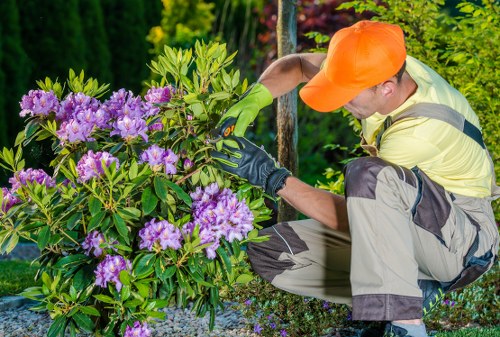
Soft landscaping covers the living and organic parts of an outdoor space. This includes turfing, seeding, planting, shrub borders, soil improvement, mulching, hedge planting, and sometimes light garden reconfiguration to support healthier growth. It is the part of landscaping that gives a space life, texture, and seasonal interest. In Ealing, where gardens can be compact, shaded, exposed, or closely bordered by neighbouring properties, these details make a big difference.
For residential customers, soft landscaping may be used to create a family-friendly lawn, improve drainage in a damp corner, or replace tired planting with low-maintenance shrubs and perennials. For commercial customers, it may mean smart planting around an entrance, improving the look of a business frontage, or maintaining communal green areas that need to stay presentable throughout the year. Soft landscaping in Ealing can be as simple as fresh turf and topsoil or as involved as a full planting scheme with layered borders and seasonal colour.
Because local properties vary so much, the best results usually come from a tailored plan rather than a one-size-fits-all approach. A small courtyard in a terraced property may need lightweight, tidy planting in raised beds, while a larger garden in parts of Ealing Common or near South Ealing might support a fuller scheme with trees, shrubs, and lawn. The key is to balance appearance, maintenance, and the conditions of the site.
Why local knowledge matters

Working in Ealing means understanding the practical challenges that come with the area. Some roads have limited parking, tight access, or controlled zones that make deliveries and removals harder to plan. Many homes have narrow side access, shared passages, or rear gardens that require careful handling of materials. A local team can plan for these details in advance, reducing disruption and helping the work run more smoothly.
Local knowledge also matters when selecting plants and lawn options. Different parts of Ealing may have varying levels of shade, wind exposure, and soil quality. Trees from neighbouring gardens, tall buildings, or boundary walls can create deep shade in some spaces, while south-facing gardens may dry out quickly in summer. Choosing planting that suits the site helps avoid costly replacement and keeps the garden looking better for longer.
There is also the simple benefit of convenience. A team that regularly works in Ealing, Hanwell, Acton borders, and nearby West London areas will be used to the rhythm of local homes and businesses. That means better planning around access, timings, and the type of finish local customers usually want: tidy, durable, and appropriate for the property rather than overcomplicated or high maintenance.
Soft landscaping services available

Soft landscaping can include many different tasks depending on the starting condition of the site and the look you want to achieve. Some customers want a full transformation, while others only need one or two elements refreshed. The aim is to create a space that feels finished and functional without unnecessary work.
Typical services include:
- Fresh turfing for worn or bare lawns
- Seeding for new lawns or cost-conscious green areas
- Soil improvement, topsoil installation, and ground preparation
- Planting of shrubs, flowers, perennials, small trees, and hedging
- Border design and replanting for better structure and colour
- Mulching to improve moisture retention and weed suppression
- Hedge planting for privacy, screening, and boundary definition
- Seasonal refreshes for homes, offices, and commercial entrances
- Garden tidy-up works before planting or lawn installation
In many cases, soft landscaping is combined with light hard landscaping preparation such as edging, bed shaping, or creating level bases for lawn installation. These small supporting works can make a major difference to the final result. A patchy, uneven area will rarely perform well without proper preparation, especially in older Ealing gardens where previous alterations may have left compacted or poor-quality soil behind.
What matters most is not just what is planted, but where and how it is planted. Good spacing, correct soil depth, sensible watering plans, and suitable species selection are all part of a successful result.
What is included in a typical project

Every project is different, but a well-planned soft landscaping job usually follows a clear sequence. This helps keep the site organised and gives the best chance of a neat, lasting outcome. For many Ealing customers, the process starts with a site visit and a discussion about how the outdoor space is used day to day.
A standard project may include:
- Assessing access, soil condition, drainage, shade, and existing planting
- Removing dead, diseased, or unwanted plants where needed
- Preparing beds or lawn areas by improving the soil structure
- Setting the layout for turf, planting, borders, or screening
- Installing new plants, hedging, or lawn materials
- Mulching, edging, and tidying the finished areas
- Basic aftercare advice so the new planting establishes well
For residential gardens, this may also involve making space for family use, pets, entertaining, or easier upkeep. For businesses and communal spaces, the focus may be on neatness, accessibility, and a polished look that remains presentable through changing seasons. In both cases, the aim is a practical and attractive finish.
Some Ealing customers want a low-maintenance scheme because they do not have much time for gardening. Others are looking for a more planted, traditional look with layered borders and fuller greenery. The best service is one that listens to those needs and shapes the work accordingly, rather than pushing a generic design.
Choosing planting that suits Ealing gardens

Ealing gardens can be very different from one another. A shaded side return in a terraced home may need plants that thrive with less sun, while a spacious rear garden may support a broader mix of shrubs, grasses, and flowering plants. Front gardens often need structure and neatness, especially where the aim is to improve kerb appeal without creating too much ongoing maintenance.
Plant choice should be based on more than appearance alone. It should also reflect how much time you want to spend maintaining the space, how much light the area receives, whether the soil drains well, and whether the garden is exposed to wind or regular foot traffic. Well-chosen planting can reduce future problems and help the garden stay attractive with less effort.
For many local customers, a practical mix works best: a few structural shrubs, seasonal flowers for colour, and groundcover or mulch to keep the beds tidy. In family homes, soft planting may also be selected to provide safer edges, softer boundaries, and clear routes across the garden. In commercial settings, the focus may be on symmetry, consistency, and reliable year-round presentation.
Benefits of soft landscaping for local customers
There are many reasons people choose soft landscaping in Ealing. Some want to improve a tired outdoor area before selling or letting a property. Others want to create a more usable family garden, add privacy, or bring life back to an area that has become bare or overgrown. For businesses, attractive planting can help create a more welcoming first impression for visitors, tenants, or clients.
The benefits often include:
- Better appearance and stronger kerb appeal
- More usable outdoor space for relaxing or entertaining
- Improved privacy and screening from neighbouring properties
- Healthier lawns and more reliable plant growth
- Reduced maintenance when planting is chosen carefully
- A more orderly and professional look for commercial premises
- Improved soil condition and garden structure over time
Soft landscaping can also make an outdoor area feel more balanced. A garden that has only paving or only lawn often lacks interest, while a thoughtfully planted space feels finished and lived-in. Even a modest project can completely change how a home or business is experienced from the outside.
Residential soft landscaping
Homeowners across Ealing often use these services to improve everyday life at home. That might mean a safer lawn for children, improved privacy in a overlooked rear garden, or a front garden that feels tidy and easy to care for. In terraced properties, the challenge is often fitting planting into compact spaces without making them feel crowded. In larger homes, the focus may be on shaping zones for seating, lawns, and borders so the garden is more enjoyable through the year.
Commercial and communal soft landscaping
For commercial customers, presentation matters. Office grounds, retail forecourts, apartment entrances, and managed communal areas all benefit from planting that looks neat and stays consistent. The aim is usually not dramatic, high-maintenance displays, but reliable planting that improves the setting and remains manageable for building managers or caretakers. Professional soft landscaping in Ealing can help keep these spaces looking cared for without creating unnecessary upkeep.
How the service works
A simple process helps customers know what to expect from the start. It also makes it easier to compare options and make sensible decisions based on the condition of the site and the outcome you want.
- Initial enquiry — Share what you would like to improve, whether it is a lawn, borders, hedging, planting, or a full garden refresh.
- Site assessment — A visit allows the team to look at access, size, light levels, soil condition, and any practical issues such as parking or narrow entry paths.
- Plan and scope — You discuss the best approach, suitable materials, and the level of finish required.
- Preparation — Existing debris, weeds, dead plants, or poor soil may need to be removed or improved.
- Installation — Turf, plants, hedges, borders, or other soft landscape features are put in place carefully.
- Finishing touches — Edging, mulching, and tidy-up works help the project look complete.
- Aftercare advice — You are given practical guidance on watering, establishment, and early maintenance.
This approach works well for both small and larger projects because it keeps the work organised and transparent. If you are comparing options for a garden in Ealing, it helps to ask what preparation is included, how access will be handled, and what aftercare will be needed once the plants or lawn are installed.
Preparation checklist before work begins
Good preparation makes a noticeable difference to the final result. Before a soft landscaping project begins, local customers can usually help by reviewing a few practical points. This is especially useful in Ealing, where access may be tight and parking or loading spaces may need to be planned in advance.
- Clear access routes to the garden, side passage, or rear entrance
- Move fragile items, pots, furniture, and personal belongings out of the work area
- Let the team know about pets, children, or shared access arrangements
- Highlight drainage issues, waterlogging, shade, or problem areas
- Check whether nearby parking restrictions could affect loading or unloading
- Decide which plants, lawn areas, or borders matter most to you
- Think about maintenance: low upkeep, seasonal colour, privacy, or family use
Being prepared does not mean you need to know all the answers. It simply helps the project begin smoothly and ensures the team can work efficiently once on site. If you are unsure what should be done first, a local soft landscaping specialist can talk you through the options in a straightforward way.
Pricing factors and what affects the cost
Customers often want to know what affects pricing before requesting a quote. While exact costs depend on the scope of the work, several common factors influence how a soft landscaping project is priced. Understanding these helps you compare proposals more confidently and decide what level of work is right for your budget.
Pricing is usually shaped by:
- The size of the area to be landscaped
- The amount of preparation needed before planting or turfing
- The type and quantity of plants, shrubs, hedging, or turf required
- Access conditions, including steps, narrow side paths, or limited parking
- Whether old materials, weeds, or waste need to be cleared away
- The complexity of the layout or the level of detail requested
- Any drainage, soil, or levelling issues that need attention first
Projects that only need basic refreshment will naturally differ from those involving complete replanting or lawn replacement. It is also worth remembering that better preparation often saves money in the long run, because plants establish more successfully and lawns are less likely to fail. A realistic quote should explain what is included and what may need extra attention if the site condition changes during the job.
Why choose a local company for soft landscaping in Ealing
Choosing a local team is about more than convenience. It means working with people who understand the character of the area, the common property layouts, and the practical issues that can slow a project down if they are not planned for in advance. Ealing includes a broad mix of housing and business premises, so experience with different site types is useful.
A local company is more likely to understand:
- The access challenges of terraced streets and narrow rear gardens
- How to work around limited parking and loading space
- The needs of family gardens, rental homes, and shared outdoor areas
- The importance of tidy presentation in busy commercial settings
- Which planting styles suit shaded, exposed, or mixed-light gardens
There is also a practical benefit in communication. It is usually easier to arrange a site visit, discuss changes, and keep a project moving when the team knows the area well. For customers who want the work completed with minimal fuss, that local familiarity can make a real difference. Local experience often leads to better planning and smoother delivery.
Areas covered across Ealing and nearby neighbourhoods
Soft landscaping is often needed across a wide range of nearby locations, not just one part of the borough. Customers may be based in Ealing Broadway, West Ealing, Northfields, South Ealing, Ealing Common, Pitshanger, Hanwell, and surrounding West London streets. Business premises, managed blocks, and community spaces may also need regular planting or one-off improvements.
Because each area has its own property mix and access challenges, a flexible service is important. A compact back garden near a high street may need more careful planning than a larger plot with direct access. A shared entrance to a block of flats may need staged work to avoid inconvenience. A shop frontage or office entrance may need low-disruption timing and a clean finish that can be enjoyed immediately.
If you are unsure whether your property is covered, it is best to ask when you enquire. A local team can usually confirm whether the location, access, and scope of work are suitable and let you know the most practical route forward.
Frequently asked questions
How is soft landscaping different from hard landscaping?
Soft landscaping focuses on living elements such as turf, plants, shrubs, hedges, soil, and mulch. Hard landscaping refers to built features like paving, walls, paths, and decking. Many projects combine both, but soft landscaping is often what brings colour, softness, and seasonal change to the space.
Can soft landscaping help a neglected garden?
Yes. It is often the best way to revive an overgrown or tired space. Depending on the condition, this may include clearing unwanted growth, improving the soil, replacing poor lawn areas, and introducing new planting that suits the site better.
What if my garden has shade or poor drainage?
That is very common in Ealing, especially where gardens are bordered by mature trees, walls, or adjacent buildings. A proper assessment helps identify plants and lawn solutions that cope better with shade, damp conditions, or dry patches. In some cases, soil improvement or layout changes are also recommended.
Do I need to know exactly what plants I want?
No. Many customers have a general idea of the look they want but would like help choosing the right plants. You can discuss whether you want low maintenance, privacy, year-round greenery, colour, wildlife-friendly planting, or a more formal appearance.
Is soft landscaping suitable for rental properties and managed buildings?
Yes. It is often a smart choice for landlords, housing managers, and block managers who want to improve presentation without creating heavy upkeep. Durable, well-placed planting can make entrances, communal spaces, and gardens easier to maintain.
How long does a project take?
Timescales depend on the size of the job, the amount of preparation needed, and the materials involved. Smaller planting or turfing jobs may be completed quickly, while larger or more detailed projects naturally take longer. A quote should explain the expected scope and likely schedule.
What makes a good soft landscaping result?
A good result is not just visually appealing on day one. It should also suit the property, the soil, the amount of sunlight, and the amount of care the owner wants to give it. That is why thoughtful planning matters. The right layout, preparation, and planting choices can save time later and help the garden remain attractive through changing seasons.
For many Ealing customers, the ideal outcome is a space that looks intentional and easy to enjoy. A lawn that is level and healthy, borders that are well-shaped, shrubs that do not outgrow the space, and planting that adds privacy without blocking light can all make a big difference. Small improvements, done properly, often have the most lasting impact.
Ready to improve your outdoor space?
If you are planning a garden refresh, a new lawn, replanting, or a more polished frontage, soft landscaping in Ealing can give your property the uplift it needs. Whether the space is large or small, residential or commercial, the right planting and preparation can make it more attractive, more practical, and easier to live with.
Contact us today to discuss your ideas, arrange a visit, or request a free quote. If you are ready to get started, book your service now and take the first step toward a better-looking outdoor space in Ealing.