Garden landscaping in Ealing
If you are looking for Garden landscaping in Ealing, you are probably trying to make a real outdoor space work better for everyday life. Maybe your garden feels too small, too shaded, too sloped, or simply unfinished. Maybe you want a cleaner layout, more planting, better drainage, a patio for entertaining, or a low-maintenance design that still looks attractive through the seasons. Whatever the starting point, thoughtful landscaping can turn an awkward outdoor area into a space that suits the way you live.
Ealing has a wide mix of homes and outdoor spaces, from period terraces and semi-detached houses with narrow rear gardens to larger family plots, side returns, and commercial premises that need practical, presentable external areas. That means no two projects are the same. A local landscaping team needs to understand access limitations, neighbour considerations, existing structures, mature trees, soil conditions, and the way different styles of property in the borough shape the options available.
Good garden landscaping is not just about appearance. It is about creating a garden that feels balanced, usable, and easier to maintain. It may include new paving, lawn installation, raised beds, sleepers, fencing, pergolas, paths, planting schemes, drainage improvements, edging, decking, or a full redesign. For many Ealing homeowners and business owners, the best result is one that combines practical improvements with a design that suits the character of the property.
Why local garden landscaping matters in Ealing

Working on gardens in Ealing requires more than general landscaping experience. Local homes often present specific challenges that affect design and installation. Some gardens are long and narrow, which means circulation and layout need careful thought. Others have limited rear access, shared side passages, or driveway arrangements that affect how materials are brought in and waste is removed. A local team is better placed to plan around these realities without creating unnecessary disruption.
Another important factor is the area itself. Ealing includes a mix of established residential streets, conservation-minded settings, family neighbourhoods, and commercial properties near busy roads and town centres. The look and function of a garden often need to reflect both the property and its surroundings. A front garden in a Victorian or Edwardian street may need a more traditional finish, while a modern family home may benefit from a sleek, low-maintenance layout with storage, screening, and child-friendly planting.
Garden landscaping in Ealing also benefits from local knowledge of soil, shade, and planting conditions. Many gardens in the area have mature trees, established hedges, or neighbouring buildings that influence light levels. That affects what will thrive and where drainage may need attention. Choosing a team that works regularly in the area can save time, reduce guesswork, and help ensure the finished space remains attractive and practical throughout the year.
What garden landscaping can include

Landscaping can be as focused or as wide-ranging as your garden needs. Some customers want a single upgrade, such as a new paved seating area or a fresh lawn. Others want a complete transformation with structural changes, planting, and finishing details. The right plan depends on how you use the garden, how much maintenance you want, and how much of the existing layout should be kept.
Typical landscaping services for Ealing properties may include:
- Garden design and layout planning to improve flow and make better use of space
- Patios and paving for dining areas, seating, and practical access routes
- Decking for raised or flexible outdoor living space
- Lawn installation using turf or alternative finishes depending on use
- Planting schemes tailored to sunlight, soil, and maintenance preferences
- Raised beds and sleepers for structure, planting depth, and visual interest
- Fencing and screening to improve privacy and define boundaries
- Paths and edging to create clean lines and easier movement around the garden
- Drainage improvements for waterlogged or poorly draining areas
- Soft landscaping including shrubs, borders, mulch, and turfing
For commercial customers, such as offices, residential developments, hospitality premises, and local businesses, landscaping may also include tidy frontage improvements, access paths, low-maintenance planting, and more durable materials that keep outdoor areas looking smart with less ongoing effort.
How the service works
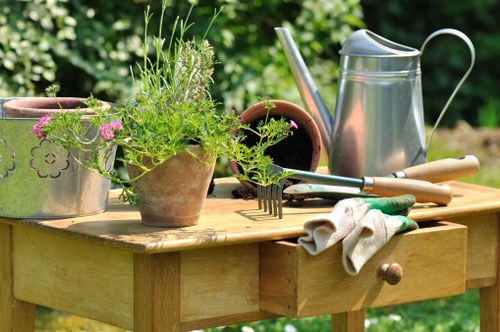
Most garden landscaping projects begin with a site visit and a discussion about how the space is used now, and how you would like it to function in future. This stage is important because it helps identify constraints as well as opportunities. A small garden can still feel generous if the layout is well planned, while a larger garden can become much easier to enjoy if the space is broken into clearly defined zones.
From there, the project usually moves through a few key stages. First comes the planning and design stage, where ideas are shaped around practical needs, style preferences, and budget. Then the groundworks begin, which may include clearing existing features, removing old turf or paving, levelling areas, and preparing the base for new construction. After that come the structural and planting elements, followed by finishing touches such as edging, lighting, or decorative features.
The final result should feel like a natural extension of the property. A well-executed landscape does not just sit in the garden; it supports everyday living. It can make outdoor dining easier, create a safer play area for children, improve privacy from neighbouring homes, and add visual order to spaces that previously felt tired or disconnected.
Common project stages
- Initial discussion and site assessment
- Ideas, layout planning, and scope review
- Ground preparation and removal of old materials
- Construction of hard landscaping elements
- Soil improvement, planting, and turfing
- Finishing details and tidy handover
Garden landscaping for Ealing homes
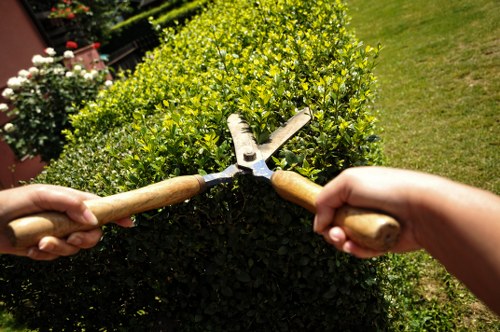
Homeowners in Ealing often want a garden that is attractive without becoming difficult to maintain. Family life, commuting, and busy schedules mean many people want an outdoor space that looks good with sensible upkeep rather than constant attention. Landscaping can help achieve that by simplifying the layout, choosing suitable materials, and selecting planting that works with the conditions rather than against them.
Older Ealing homes often have gardens with character but also with issues that need careful handling. Uneven surfaces, tired brickwork, outdated paving, overgrown borders, and awkward access points are common. In these cases, a landscaping project might combine repair with redesign. For example, a narrow lawn may be replaced with a more durable paved area and planting borders, or an uneven rear section may be levelled and shaped into distinct zones for sitting, growing, and moving through the garden.
Residential garden landscaping can also improve how your property is used day to day. If you want somewhere for summer meals, a quieter corner for reading, a neat front approach, or a more family-friendly layout, practical design choices can make a big difference. A local team will usually consider privacy from neighbouring homes, noise, security, and the visual style of the house so the final result feels appropriate to the property and the street.
Typical homeowner goals
- Create more usable space for relaxing and entertaining
- Improve the look of tired or patchy outdoor areas
- Reduce maintenance with smarter material and planting choices
- Make the garden safer and easier to move around
- Increase privacy and screening where needed
- Bring together different parts of the garden into one cohesive design
Landscaping for commercial properties and shared spaces

Garden landscaping is not only for private homes. In Ealing, commercial customers and property managers also need outdoor areas that are well kept, practical, and in keeping with the building. Office forecourts, apartment communal areas, shopfront edges, hospitality seating areas, and managed residential spaces all benefit from landscaping that is tidy, durable, and easy to maintain.
Commercial landscaping often needs a different approach from domestic work. Materials may need to be hardwearing, planting may need to be low maintenance, and access arrangements may need to fit around working hours, residents, or visitors. A local contractor who understands these pressures can plan work more efficiently and with less disruption. In busy parts of Ealing, that can be especially useful where parking, loading, and timing all need to be considered in advance.
For shared spaces, the aim is usually to improve presentation while keeping upkeep manageable. Clear pathways, neat borders, sensible planting choices, and tidy boundary treatments can make a strong difference to how a property feels to clients, tenants, and staff. Well-planned landscaping can also make entrances easier to navigate and help outdoor areas feel more welcoming throughout the year.
Commercial benefits
- Creates a better first impression for visitors and clients
- Supports safer, clearer access around the property
- Reduces long-term maintenance demands
- Helps outdoor areas stay neat in all seasons
- Improves consistency across managed spaces
Access, parking, and site conditions in Ealing
One reason customers choose a local company for garden landscaping in Ealing is practical site awareness. Many homes in the area have limited front access, shared drives, side entrances, or restricted parking nearby. That can affect how materials are delivered, where tools are stored, and how waste is cleared from the site. A local team will usually be more prepared for these challenges and can help minimise inconvenience during the work.
Some gardens also sit behind terraced houses or in compact plots where machinery access is limited. In those situations, careful planning matters. Materials may need to be brought through the property in smaller loads, or the project may need to be staged so that work can continue efficiently without damaging existing paths, fences, or neighbouring boundaries. This is especially important where mature planting or hard surfaces already exist and need to be protected during the works.
Ealing also has a range of garden conditions that influence the landscaping approach. Shaded rear gardens, sloping plots, compact courtyards, and larger suburban lawns all require different material choices and installation methods. Drainage, sun exposure, root activity, and the condition of existing soil should be considered before work begins. That attention to detail helps the finished space perform better and last longer.
What a local team can plan for
- Restricted parking or permit-controlled streets
- Narrow side access or shared entry points
- Neighbouring boundaries and privacy considerations
- Varied soil, shade, and drainage conditions
- Working around homes, tenants, or business hours
Popular landscaping improvements for Ealing gardens
Different properties need different solutions, but there are several landscaping improvements that are especially popular with local customers. These projects tend to offer a strong balance between appearance and practicality, which is often exactly what people want from an outdoor space.
Patios and seating areas are a common choice for households that want a better place to relax or eat outside. A carefully positioned patio can make a garden more usable through spring and summer, and the right paving can help tie the property together visually. In smaller gardens, a well-sized paved area can work much better than several fragmented features.
Planting and border design can also make a huge difference. The right mix of shrubs, perennials, evergreens, and seasonal colour can soften hard edges and make the garden feel more established. For customers who want less maintenance, plant selection becomes especially important. A thoughtful planting plan can reduce the need for constant reworking and still offer interest across the year.
Other frequently requested upgrades
- Sleepers for raised beds and defined levels
- Fresh turf or lawn replacement
- Decorative gravel areas and stepping stones
- Garden paths for easier movement
- New fencing or boundary screening
- Tree and shrub reshaping within a redesigned space
- Outdoor features that create structure and focal points
Some customers prefer a complete transformation, while others want targeted changes that build on what is already there. Both approaches can work well, provided the layout is planned carefully and the materials suit the property.
What affects pricing for landscaping work
Every garden is different, so the cost of landscaping depends on several factors rather than a fixed formula. A site with easy access and a straightforward layout will usually be simpler to complete than a garden with difficult access, drainage issues, large amounts of waste removal, or complex construction work. The more prepared a space is at the start, the easier it is to estimate labour, materials, and timing accurately.
Key pricing factors may include the size of the garden, the condition of the existing space, the type of materials chosen, the amount of clearing or excavation needed, and whether the work includes both hard landscaping and planting. A small feature such as a simple path will have a different scope from a full redesign involving paving, turfing, sleepers, and drainage correction. Commercial sites may also require added planning for access, scheduling, and coordination.
It is sensible to discuss your priorities early. If you have a clear budget range, a local landscaping team can suggest where to invest for the biggest impact and where alternatives may be more practical. That might mean choosing a simpler layout with higher-quality finishing materials, or focusing first on drainage and structure before adding decorative planting later.
Things that can influence the quote
- Garden size and current condition
- Site access and parking limitations
- Amount of clearance or waste removal required
- Ground preparation and level changes
- Material choices for paving, timber, and planting
- Complexity of the design and finishing details
How to prepare your garden before work starts
A little preparation can help a landscaping project begin smoothly and reduce delays. Before the team arrives, it is useful to think about how you currently use the space, what you want to keep, and what should be removed or changed. If there are items in the garden that matter to you, such as planters, outdoor furniture, toys, or ornaments, these should be moved out of the working area in advance where possible.
You may also want to walk through the garden and identify practical points such as side access gates, outdoor taps, power sources, or areas that get particularly wet after rain. If the property has shared boundaries or neighbouring access considerations, it is helpful to raise these early so that the work can be planned with care. The smoother the preparation, the more efficiently the landscaping can proceed.
Useful preparation checklist:
- Clear away personal items and movable furniture
- Note any plants, trees, or features you want to keep
- Point out access routes, gates, and parking restrictions
- Discuss any drainage or standing water issues
- Share your preferred style, materials, and maintenance level
- Make sure pets and children are kept away from working areas
If you are unsure where to begin, that is completely normal. A good local landscaper can help you decide what is realistic within the space and what will make the most visible difference.
Choosing a local company for garden landscaping
There are several reasons why Ealing customers often prefer a local team rather than a contractor based further away. Local knowledge matters when dealing with the practicalities of access, transport, waste removal, and nearby property styles. It also makes it easier for the team to understand the needs of the area, from family gardens in residential streets to managed outdoor spaces near busy local amenities.
A local company is also usually better placed to recommend solutions that suit the look and use of the property. A landscaper who regularly works in the borough will have a better sense of the garden sizes, boundary treatments, and planting conditions commonly found in the area. That can lead to more relevant advice and a finish that feels in keeping with the home or business premises.
When choosing a company, it is sensible to look for clear communication, a practical approach, and examples of the type of work they carry out. You want someone who listens to what you need, explains the process clearly, and can talk through the likely stages without overcomplicating the job. For many customers, this is just as important as the final appearance of the garden.
Good reasons to go local
- Better understanding of Ealing streets, access, and parking
- More relevant advice for local garden conditions
- Faster coordination for visits and project planning
- Appropriate solutions for residential and commercial settings
- More practical recommendations for the way local properties are built and used
Areas covered around Ealing
Garden landscaping services in Ealing may cover a wide surrounding area, including nearby neighbourhoods and local districts where homes and businesses often have similar outdoor requirements. These can include places such as Acton, Hanwell, West Ealing, South Ealing, Northfields, North Ealing, Pitshanger, Perivale, and nearby parts of West London.
Different parts of the area bring different site conditions. Some streets have older gardens with established trees and traditional boundaries, while others have newer properties with modern layouts and more open outdoor space. A flexible landscaping approach is useful because it allows the project to be shaped around what is already there, rather than trying to force one style onto every property.
Whether you have a compact patio garden, a long rear plot, a front garden that needs smartening up, or a commercial space that needs tidying and structure, local landscaping support can help turn those ideas into something practical and attractive.
Frequently asked questions
How long does a landscaping project take?
Timescales vary depending on the size of the garden, the amount of preparation needed, and the scope of the work. A simple upgrade may take less time than a full redesign involving several different elements.
Can you work with a small garden?
Yes. Smaller gardens often benefit greatly from careful layout planning, smart planting, and the right balance between hard and soft landscaping.
Do you handle both front and rear gardens?
Many projects involve either the front or rear garden, and some involve both. Front gardens often need a tidy, welcoming look, while rear gardens may focus more on comfort and usability.
Can landscaping help with drainage problems?
In some cases, yes. Drainage-aware planning, improved ground preparation, and suitable materials can help reduce pooling and waterlogging. A site review is the best way to assess what is needed.
Do commercial properties need different landscaping?
Often, yes. Commercial spaces usually need durable materials, low-maintenance planting, and careful scheduling to reduce disruption.
Ready to improve your outdoor space?
If your garden is not making the most of the space you have, now is a good time to consider a more practical and attractive layout. Whether you want a simple refresh or a full redesign, Garden landscaping in Ealing can make a real difference to how your property feels and functions. The right changes can create more usable space, improve privacy, and give you a garden that suits everyday life rather than creating extra work.
From paving and planting to structural improvements and low-maintenance designs, a local landscaping service can help you move from ideas to a finished outdoor space that feels organised, inviting, and suited to your home or business. If you are comparing options or planning a project for later in the season, it is worth getting the conversation started early.
Request a free quote, contact us today, or book your service now to discuss your garden and find the right solution for your Ealing property. A well-planned landscape can add comfort, order, and enjoyment to your outdoor space for years to come.